
 See Our Latest Article on HelloNation
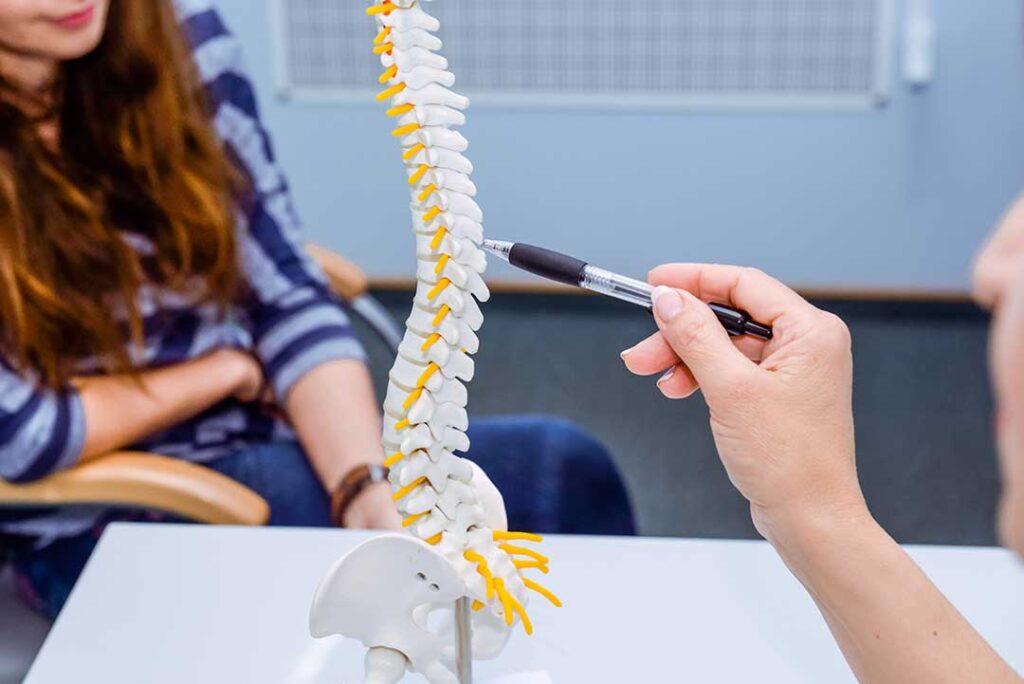
Why Does Neck Pain Return So Often?
Recurring neck pain frustrates many people in Tarrytown, NY. The neck’s job—supporting the heavy head, moving in many directions, and bearing the effects of daily posture—means it is especially prone to discomfort. For local residents, a mix of long hours in front of screens, stress, and even seasonal activities like gardening or shoveling snow can compound the strain.
Relapse is common because the underlying factors often continue even after the pain goes away. Understanding habits, environment, and self-care methods is crucial for lasting comfort.
How Can Workspace Setup Make a Difference?
Yes, the way a workspace is arranged directly impacts neck tension, especially for those spending hours at a computer or workstation. In many homes and offices found throughout Tarrytown, improvised desk setups or laptop use at kitchen tables or couches are common sources of poor neck posture.
An ideal setup minimizes awkward angles:
- The top third of the screen should be at or just below eye level.
- Shoulders should relax naturally, with elbows resting close to the body.
- Feet should be flat on the floor, knees at hip height.
Monitor risers, external keyboards, or adjustable chairs can often be adapted from what’s available at home. Taking two-minute stretch breaks at least once every hour also helps break the cycle of static posture.
What Daily Habits Increase the Chances of Lasting Relief?
Consistent routines support neck health far better than occasional fixes. Here are common habits that reduce recurrences:
- Use both straps with backpacks to distribute weight evenly across shoulders if walking about town or going to school.
- Avoid tucking a smartphone between ear and shoulder—opt for speakerphone or earbuds.
- Continue gentle neck stretches and range-of-motion exercises even after pain subsides.
- Be mindful of phone use posture (“text neck” is a modern culprit) and lift the device closer to eye level when possible.
Small changes, repeated regularly, keep the spine’s supporting muscles engaged and flexible.
Does Sleep Position Matter?
Sleep position and pillow type can absolutely affect neck comfort. In area homes, beds, and pillows vary, but there are a few principles that usually apply:
- Sleeping on the back or side is generally easier on the neck than sleeping on the stomach.
- A pillow supporting only the head (too high or stiff) can force the neck into an angle overnight. Choose a pillow that keeps the neck aligned with the spine.
- For side sleepers, a slightly firmer, higher pillow is better to fill the space between the outer shoulder and ear.
- Back sleepers can often use a thinner pillow, possibly with extra neck support built in.
- Stomach sleeping twists the neck and is best avoided if pain recurs often.
Can Local Weather or Seasonal Activities Affect the Neck?
Climate in Tarrytown shifts notably between seasons, which can influence neck strain. Cold weather may lead to hunching, shivering, or wearing heavy coats with bulky collars—each subtly affecting posture. Spring and fall yardwork (raking, planting, carrying supplies) and winter snow shoveling are frequent triggers for flare-ups.
It helps to:
- Warm up before outdoor chores with a few gentle stretches.
- Alternate tasks (switch sides, take short breaks) to avoid favoring one motion repetitively.
- Stay adequately hydrated, as muscles are less pliable when dehydrated, especially in indoor-heated homes during winter.

Are There Exercises Effective for Ongoing Prevention?
Specific, gentle exercises can maintain mobility and strength:
- Shoulder blade pinches: Draw shoulder blades together, hold for five seconds, repeat ten times.
- Neck retraction: Pull the head back gently (like making a double chin), keeping the gaze level. Hold and release.
- Side stretches: Tilt the head to one side (ear toward shoulder) until a gentle stretch is felt; repeat both directions.
Perform these once or twice daily and after prolonged periods in one position. Residents who remain active with swimming or walking tend to have fewer complaints, as regular movement relieves the natural stiffness of sedentary routines.
What Common Misconceptions Lead People Astray?
Several beliefs about neck pain can delay recovery or cause frustration:
- “If pain goes away quickly, I don’t need to pay attention anymore.” In reality, the absence of pain doesn’t mean underlying habits are fixed.
- “Hard pillows or firm mattresses always help.” Support needs vary by body type and sleeping style.
- “Chronic neck pain just happens with age.” While risk may increase, supportive routines and thoughtful posture often prevent regular flare-ups at any age.
- “All neck pain is due to a pinched nerve.” Many times, muscle tension, joint strain, or postural fatigue—not nerve problems—are the root cause.
When Are Self-Care and Awareness Not Enough?
Most neck pain from mild strains or poor posture responds well to self-care. But sometimes, new or worsening symptoms mean it’s time to seek evaluation—such as neck pain with leg or arm weakness, numbness, or if caused by a fall. The city's primary care providers or urgent care clinics can help assess if something more serious is occurring.
