
 See Our Latest Article on HelloNation
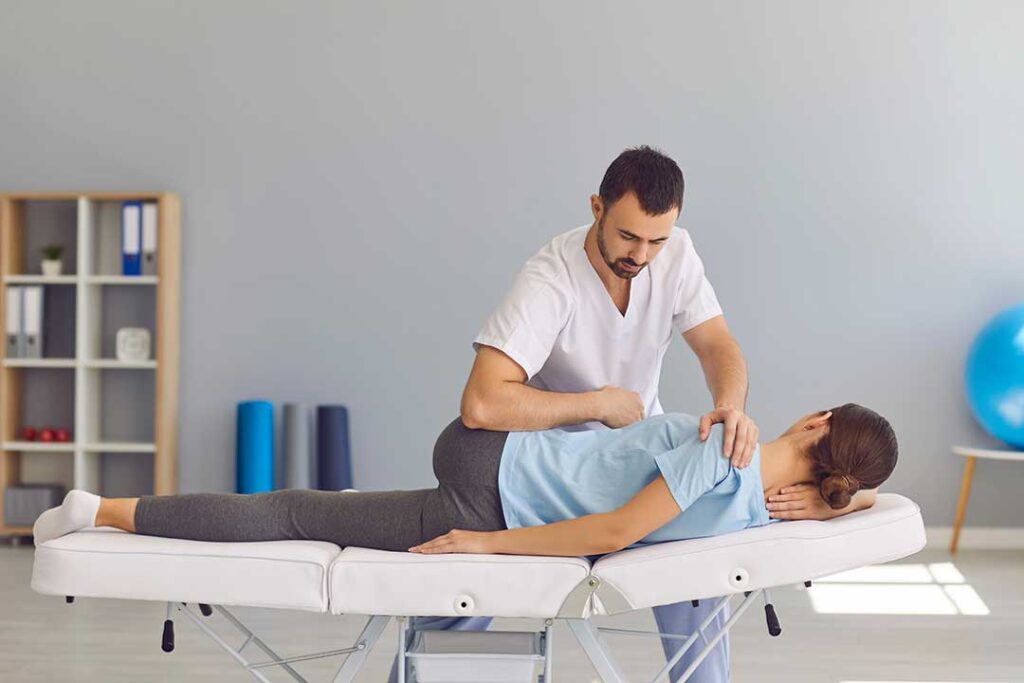
What Does It Mean When Your Neck Clicks?
A clicking or popping sound in the neck can be unsettling, but it is often harmless. For many area residents, this noise is experienced occasionally during regular activities, stretching, or everyday neck movement.
The sound may be described as a “pop,” “crack,” or “click.” Some people notice it when turning the head while driving, looking over a shoulder, or stretching after long periods of sitting. Understanding why this happens can help separate normal physical sensations from those that might require attention.
Why Does the Neck Make Clicking Sounds?
Clicking in the neck is typically caused by one of several physical processes:
- Joint cavitation: Small gas bubbles naturally exist in the synovial fluid that lubricates the spine’s joints. When the neck is stretched or the joint space expands quickly, these bubbles can “pop.” This is the same principle as cracking knuckles and is not usually harmful.
- Tendon or ligament movement: Sometimes, a tendon or ligament may glide over a bone spur or a bony ridge in the neck. When the soft tissue snaps back into place, a clicking sound may occur. This is more common with age or after repetitive motion.
- Changes in cartilage or joint surfaces: As adults age, cartilage in the cervical spine (neck area) may thin, leading to small irregularities. These changes can cause the neck to click more noticeably, especially when moving after periods of inactivity.
Most clicking or cracking sounds do not come with pain, swelling, or loss of function. In these cases, they are generally not a cause for concern.
Can Lifestyle or Local Habits Affect Neck Clicking?
Certain daily habits and seasonal factors common in the area may influence the frequency of neck sounds:
- Computer and device use: Prolonged time spent at screens can lead to poor posture. A forward head position increases strain on neck joints and tendons, which might explain why some local residents notice more clicking after remote work or extended reading.
- Cold weather stiffness: During the colder months, muscles and soft tissues may feel tighter. This can make clicking more noticeable when first moving after sitting or sleeping.
- Garden and yard work: Many area households participate in seasonal gardening, landscaping, or home maintenance. Repetitive neck movements or awkward positions during these tasks might temporarily increase mechanical noises in the cervical spine.
Is Neck Clicking Always Benign?
Most of the time, neck clicking is not dangerous, especially if it occurs without other symptoms. However, certain signs suggest a need to seek medical input, including:
- Persistent pain accompanying the clicking
- Numbness, tingling, or weakness in arms or hands
- Recent trauma (such as a fall or car accident)
- Swelling, stiffness, or reduced range of motion
These symptoms could be linked to underlying issues such as arthritis, herniated discs, or other spinal concerns that benefit from professional evaluation.
What Are Common Misconceptions About Neck Clicking?
Despite how common it is, a few misconceptions about clicking sounds persist:
- Myth: All neck clicking is a sign of damage. Most noises are simply due to joint movement or natural changes and do not indicate injury.
- Myth: Avoiding all neck movement is safest. Keeping the neck mobile with gentle stretches and regular breaks during sedentary tasks helps maintain joint health.
- Myth: Cracking your own neck is always safe. While occasional, gentle stretching is fine, forceful or repetitive “self-adjustments” can potentially irritate joints or soft tissue.
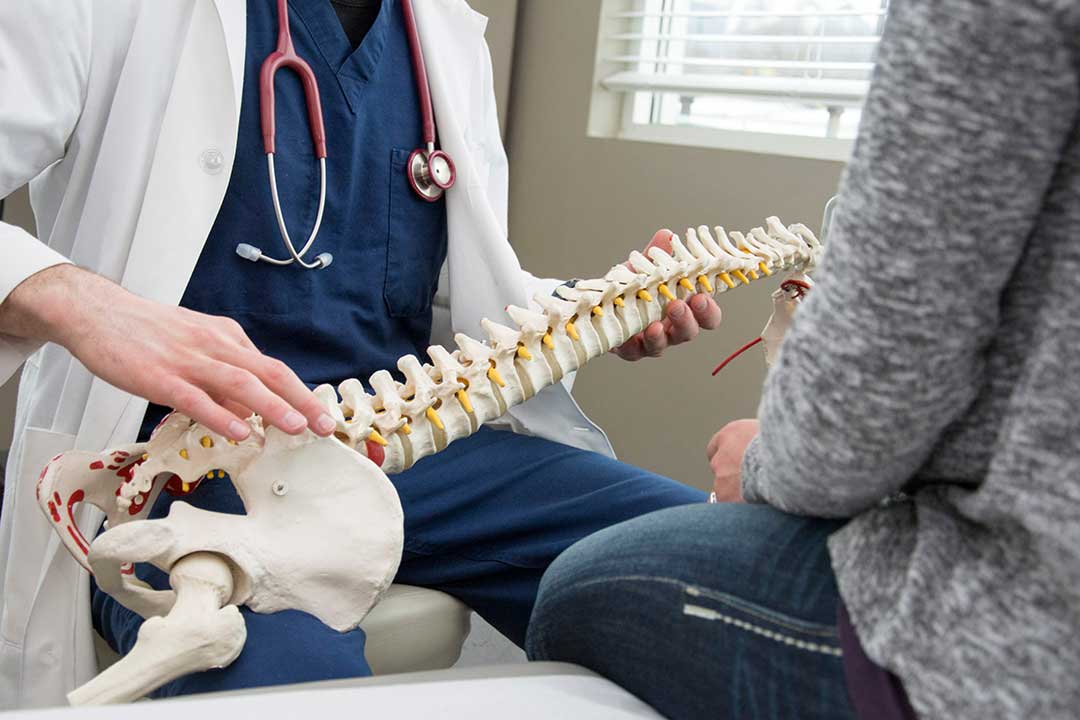
Practical Ways to Manage or Reduce Occasional Clicking
For those who notice clicking but have no accompanying symptoms, a few practical strategies can keep the neck comfortable:
- Change positions regularly during work or leisure activities.
- Incorporate gentle range-of-motion exercises and neck stretches.
- Use supportive pillows for sleep alignment.
- Take breaks from screen time to reset head and neck posture.
- Warm up the neck before physical activities, especially in colder months.
- Avoid sudden, jerky neck manipulations.
For those with discomfort or other changes in neck function, a healthcare provider can help identify whether further assessment or imaging is needed.
When to Pay Extra Attention to Neck Noises
Neck clicking in the local population is rarely a reason for alarm. However, if clicking is new, worsening, or occurs after an injury, it's wise to watch for additional symptoms. Pain, numbness, weakness, or movement limitations—especially if sudden—should not be ignored.
Keeping track of patterns, such as the timing of clicks or activities that trigger them, can be helpful to share if discussing concerns with a healthcare professional.
