
 See Our Latest Article on HelloNation
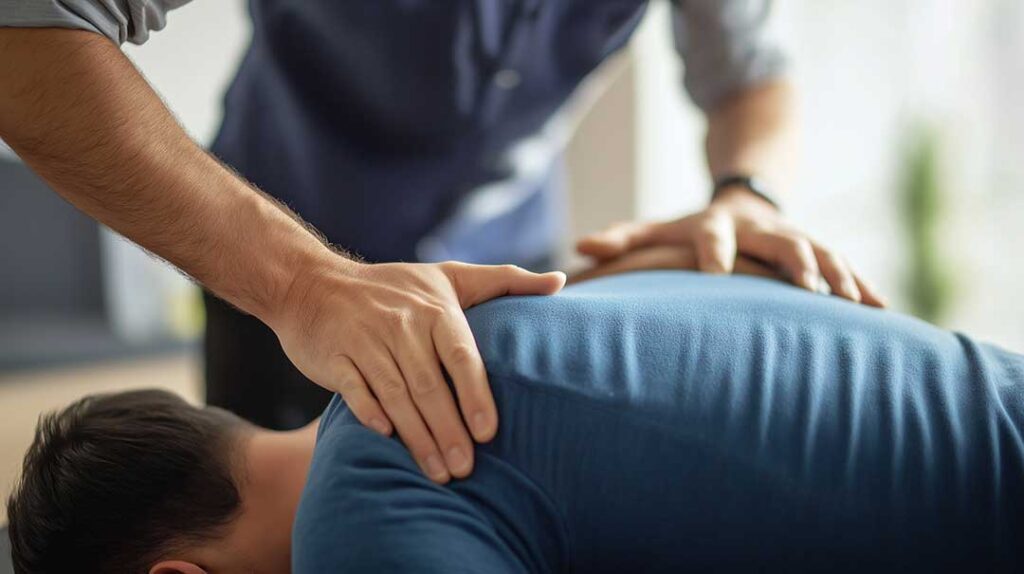
What Is Scoliosis and How Does It Affect Daily Life?
Scoliosis describes an abnormal sideways curvature of the spine that can develop in children, teens, or adults. Mild forms may cause little disruption, while more pronounced curves can lead to discomfort, reduced flexibility, and changes in posture. In Tarrytown, NY, as in other regions, residents living with scoliosis often face everyday challenges such as back or neck pain, muscle fatigue after routine activities, or difficulty with certain exercises.
For some local families, scoliosis becomes apparent during routine school screenings or after noticing uneven shoulders or hips. Many people ask if this condition can worsen over time or affect participation in regular physical activities. Generally, the severity and rate of progression vary, but early detection is key to managing symptoms and slowing further curvature.
Can Chiropractic Care Play a Role in Scoliosis Management?
Chiropractic care is sometimes considered as a non-surgical approach for people managing scoliosis. Chiropractors focus on spinal health and alignment, using hands-on adjustments and other manual techniques. While chiropractic methods do not correct spinal curvature fully, some individuals report improvements in pain management, posture, and mobility.
Practical experiences across the community reflect that chiropractic care may:
- Support improved spinal mobility and comfort
- Offer guidance on posture and body mechanics
- Address related muscular soreness
- Complement other medical or physical therapy approaches
Residents should recognize that chiropractic care for scoliosis is generally part of a broader management plan, rather than a cure or standalone solution. It is often used alongside physical therapy, monitoring, or—less commonly—bracing or surgical interventions, depending on the curve's size and symptoms.
What Can Tarrytown Residents Expect During a Chiropractic Visit for Scoliosis?
After an initial assessment and review of any X-rays or medical history, a chiropractor typically performs a physical exam that tests spinal motion, posture, and muscle balance. Discussion focuses on lifestyle habits, such as sitting, sleeping, and workplace ergonomics, as these factors can influence comfort and function.
A typical session for someone with scoliosis may involve:
- Gentle, targeted spinal adjustments
- Stretching or soft tissue techniques to relieve tense muscles
- Suggestions for posture-friendly activities and home exercises
A local consideration is the adaptation of these recommendations for common household setups, such as working from home or attending school online—frequent scenarios in Tarrytown’s neighborhoods.
Are There Risks or Limitations to Chiropractic Care for Scoliosis?
Chiropractic care is generally considered safe when provided by a licensed professional, especially for mild to moderate scoliosis. However, it should not replace essential medical interventions for severe or rapidly progressing curves. People often wonder if adjustments could worsen the curvature; existing research shows little evidence of harm when proper methods are used, but also limited proof that chiropractic care can halt progression.
Certain groups—such as young children with significant structural scoliosis—may benefit more from a referral to a specialist for bracing or surgical assessment. For adults, chiropractic care tends to focus on maintaining function and comfort, not on “straightening” the spine.
How Do Chiropractic Approaches Fit Within Broader Scoliosis Care?

In Tarrytown, families often coordinate the care of scoliosis with primary care physicians, orthopedic specialists, and physical therapists. Chiropractic input can offer another perspective, particularly for symptom relief and daily comfort.
Key points to consider:
- No evidence currently supports chiropractic adjustments as a sole method for reversing moderate to severe spinal curves.
- Consistent monitoring by a medical provider remains essential for children and teens, especially during growth spurts.
- Community factors—such as walkability, school backpack use, and local sports—may require personalized advice from healthcare professionals.
Holistic management tends to work best, combining medical oversight, therapeutic exercise, and, for some, supportive chiropractic techniques. Residents who explore multiple strategies often find the approach that best matches their lifestyle and health goals.
What Are Common Misconceptions and Practical Tips for Scoliosis?
A frequent misconception is that regular chiropractic care can “fix” scoliosis entirely. While it can improve some aspects of wellbeing or posture, the underlying bone structure usually remains unchanged. Another misunderstanding is that people with scoliosis should avoid all physical activity; in reality, most benefit from safe movement and individualized exercise tips.
Practical strategies many households find useful include:
- Using supportive seating and good desk ergonomics for remote work or study
- Stretching and strengthening exercises adapted for spinal curvature
- Staying active with walking, swimming, or non-contact sports, as advised by a professional
Open communication among healthcare providers helps clarify the most appropriate and safe measures in each personal case.
