
 See Our Latest Article on HelloNation
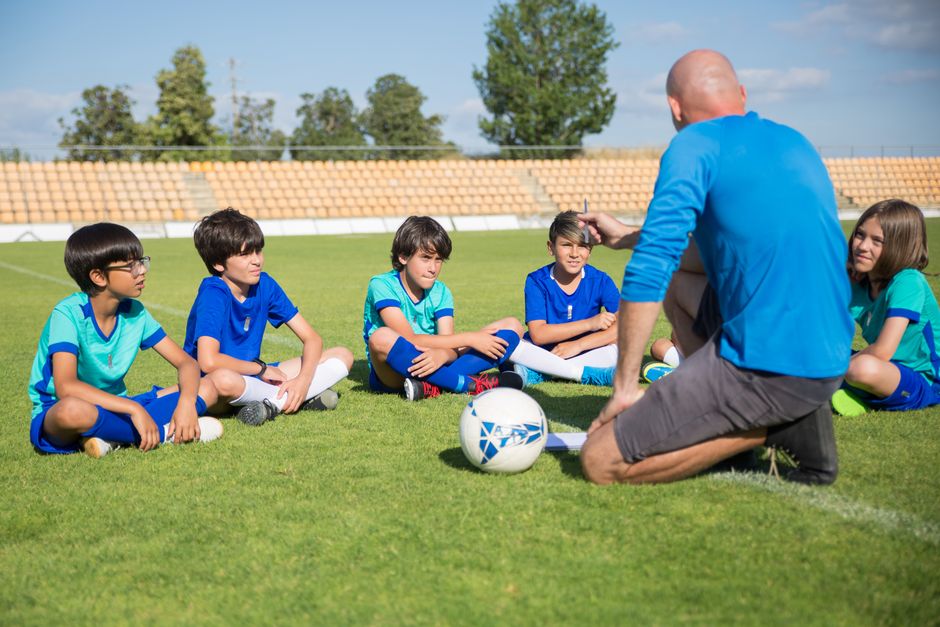
What can athletes and families do to prevent concussions?
Concussions cannot be prevented in every sports situation, but many head impacts can be reduced through safer technique, properly fitted equipment, rule enforcement, sensible practice design, and a team culture that encourages honest symptom reporting.
A concussion is a type of traumatic brain injury caused by a bump, blow, or jolt to the head—or by a hit to the body that makes the head and brain move rapidly. It can happen in contact sports such as football, hockey, lacrosse, and martial arts, but also in soccer, basketball, baseball, softball, gymnastics, cheerleading, cycling, skiing, and recreational activities.
Prevention is not just an equipment issue. It involves decisions made before practice, during play, and after an injury.
How does proper technique lower concussion risk?
Athletes should be taught to keep the head out of dangerous positions and to use sport-specific techniques that reduce collisions. Coaches should correct unsafe habits early rather than waiting for a serious impact.
Useful principles include:
- Do not lead with the head when tackling, blocking, checking, or making contact.
- Keep the head up when approaching another player.
- Learn how to fall safely when the sport involves jumping, tumbling, skating, or contact.
- Avoid using the head to strike, deflect, or control the ball when rules or age-appropriate instruction discourage it.
- Follow instructions for body positioning during drills and scrimmages.
- Stop play when an athlete loses balance, appears dazed, or reports symptoms.
Technique must match the athlete’s age, skill level, and physical development. Younger players may need modified rules, smaller practice groups, non-contact drills, and more frequent instruction.
Does wearing a helmet prevent a concussion?
Helmets and other protective equipment can reduce the chance of skull fractures and certain serious injuries, but no helmet can prevent every concussion. A helmet is not permission to make head-first contact or ignore symptoms.
Equipment should be:
- Designed for the specific sport or activity
- The correct size for the athlete
- Adjusted according to the manufacturer’s fitting instructions
- Fastened securely every time
- Replaced after a significant impact if the equipment is damaged or its protective performance is uncertain
Parents and athletes should not assume that a helmet used for one sport is appropriate for another. A bicycle helmet, for example, is not automatically suitable for football, hockey, skiing, or equestrian activities.
Protective equipment should be checked periodically because children grow, padding compresses, straps stretch, and equipment can become worn. In the Tarrytown area, seasonal changes may also affect where and how people play. Wet leaves, icy surfaces, early darkness, and muddy fields can increase fall risk during outdoor practices and recreation.
What can coaches and sports programs change?
Sports organizations can reduce risk by designing practices around skill development instead of unnecessary collisions. Limiting full-contact practice time is particularly useful in sports where repetitive contact is part of training.
A safer program should:
- Enforce rules consistently, including penalties for illegal hits.
- Remove drills that encourage head-to-head contact.
- Limit the number and intensity of contact practices.
- Provide adequate space between groups and activities.
- Inspect playing surfaces, goals, boards, mats, and other equipment.
- Adapt training during extreme heat, poor visibility, rain, ice, or slippery conditions.
- Make sure coaches, officials, parents, and athletes know the concussion response plan.
- Support athletes who report symptoms instead of treating them as weak or disloyal.
A strong safety culture matters because athletes may hide symptoms if they believe staying in the game is expected. Coaches and parents can make reporting easier by using calm, direct language: “If you feel dizzy, confused, unusually tired, or have a headache after a hit, tell someone immediately.”
How can families prepare before the season?
A preseason discussion can prevent confusion during a stressful moment. Families should know who will evaluate a suspected concussion, how the athlete will be transported if needed, and what the school or team requires before return to play.
Before the first practice, ask:
- Who is responsible for recognizing and responding to a possible concussion?
- Is emergency contact information current?
- Are the rules for removal from play clear?
- How will schoolwork be adjusted if symptoms affect concentration?
- What documentation is required before the athlete resumes sports?
- Does the program have an emergency plan for practices held outdoors or away from home?
Children should also understand that a concussion does not require loss of consciousness. Symptoms may appear immediately or become noticeable hours later. A quiet athlete may not volunteer information, so adults should watch for changes in balance, speech, focus, mood, memory, or behavior.
What should happen after a possible concussion?
An athlete with a possible concussion should be removed from play immediately and should not return the same day unless cleared under an appropriate medical protocol. Continuing to play can increase the risk of another injury before the brain has recovered.
Common symptoms include:
- Headache or pressure in the head
- Dizziness or balance problems
- Nausea
- Blurred or double vision
- Sensitivity to light or noise
- Slowed thinking or difficulty concentrating
- Unusual irritability, sadness, or confusion
- Feeling foggy, tired, or unlike oneself
A suspected concussion should be evaluated by a qualified healthcare provider. Chiropractic care may have a role in addressing certain neck, muscle, or joint problems during recovery when appropriate, but spinal treatment does not diagnose a concussion or replace medical evaluation and return-to-play clearance.
Seek emergency help for worsening headache, repeated vomiting, seizure, increasing confusion, unusual agitation, weakness or numbness, slurred speech, unequal pupils, double vision, inability to stay awake, or difficulty recognizing people or places.
Why is returning too soon risky?
An athlete should return to sports only after symptoms have improved and a healthcare provider has approved a gradual progression. The process generally begins with normal daily activities, followed by light aerobic exercise, sport-specific movement, non-contact practice, controlled full practice, and finally competition. Each stage should be completed without a meaningful return or worsening of symptoms.
Returning too quickly can increase the chance of another concussion and may prolong recovery. School participation, screen use, sleep, exercise, and sports activity may all need temporary adjustments. Recovery plans should be individualized rather than based on a fixed number of days.
For households managing youth sports, the safest approach is straightforward: prevent avoidable head impacts, report symptoms promptly, remove the athlete from play when a concussion is suspected, and treat medical clearance as a safety requirement rather than a formality.
